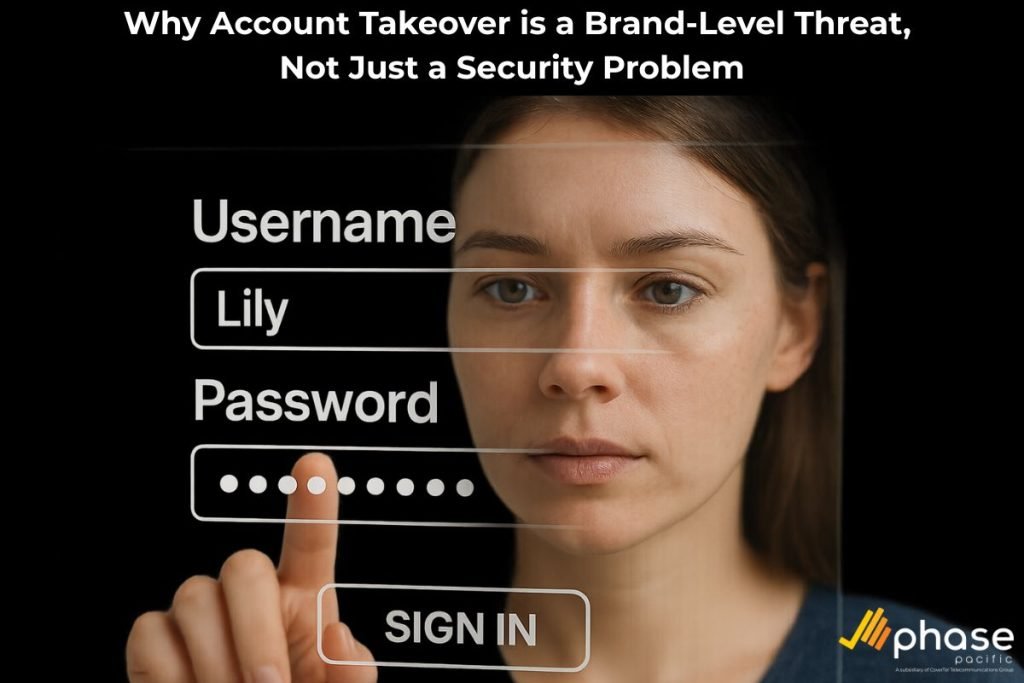
Think about your website’s login page. It’s the special entrance you’ve built for your best customers. It’s where they manage their orders, see their history, and feel connected to your brand. But that front door is also a huge target for online criminals.
They want to get their hands on your customers’ accounts. When they succeed, it’s called an Account Takeover Attack, or ATO for short. It’s basically a digital break-in. This post will walk you through how these attacks happen, why they are such a big problem for your business, and how you can stop them.
How Do They Break In? The Anatomy of an ATO Attack
Understanding the mechanics of an account takeover attack is the first step to stopping one. So, how do criminals get into a legitimate customer’s account? They rarely guess the password. Instead, they use automated tools to do the hard work for them.
The most popular method by far is Credential Stuffing. You’ve probably heard about massive data breaches at other companies. Well, attackers take the millions of usernames and passwords from those breaches and use software to try them all on your login page. The software “stuffs” these stolen credentials into your site around the clock. Eventually, it finds a match for a customer who reused their password.
This is all done by sneaky software robots, often called bad bots.
Attackers also don’t just go through the front door. They love to target your APIs. Think of an API as the staff entrance that computer systems use to talk to each other. These entrances can be less guarded, so attackers will send their bots there to try and break into accounts.
The True Cost: It’s More Than Just a Hacked Account
An account takeover attack isn’t a small technical glitch. It’s a business catastrophe waiting to happen.
 Imagine your loyal customer, Sarah, logging into her account to find that a criminal has used her saved credit card to buy something. Or maybe they drained her loyalty points. Her trust in your brand is shattered instantly. She’ll likely call your support team, frustrated and angry. Then she’ll tell her friends about the terrible experience.
This is where the real damage happens. You face the direct financial cost of the fraud. Then you lose a customer and gain a bad reputation. It’s a painful scenario, and it’s why the old mindset of “we’re fine” is so risky for any business today.
Building a Modern Defense Against These Attacks
So, how do you stop this? You need a modern security guard for your digital front door.
The key is to stop the bots before they can even try the stolen passwords. The best defense is an advanced bot protection system. This is smart software that can tell the difference between a real person logging in and a malicious bot trying to break in. It’s like a guard who can spot a troublemaker from a mile away and deny them entry, keeping your real customers safe.
It’s also vital to make sure your APIs have that same level of protection. You need to guard every entrance, not just the main one. While things like Multi-Factor Authentication (MFA) are helpful extra locks, the best strategy is to stop the attack at the source by blocking the bots.
Protect Your Customers to Protect Your Business
Ultimately, keeping your customers’ accounts safe is fundamental to keeping your business healthy and growing. The login page is much more than a simple form; it’s a promise of security and trust you make to your users.
Want to see how you can stop these attacks before they start? Schedule a quick, no-obligation demo to see Imperva’s security platform in action.
Application Security Solutions | Imperva Partner | Contact us
Sign up for our newsletter | Imperva