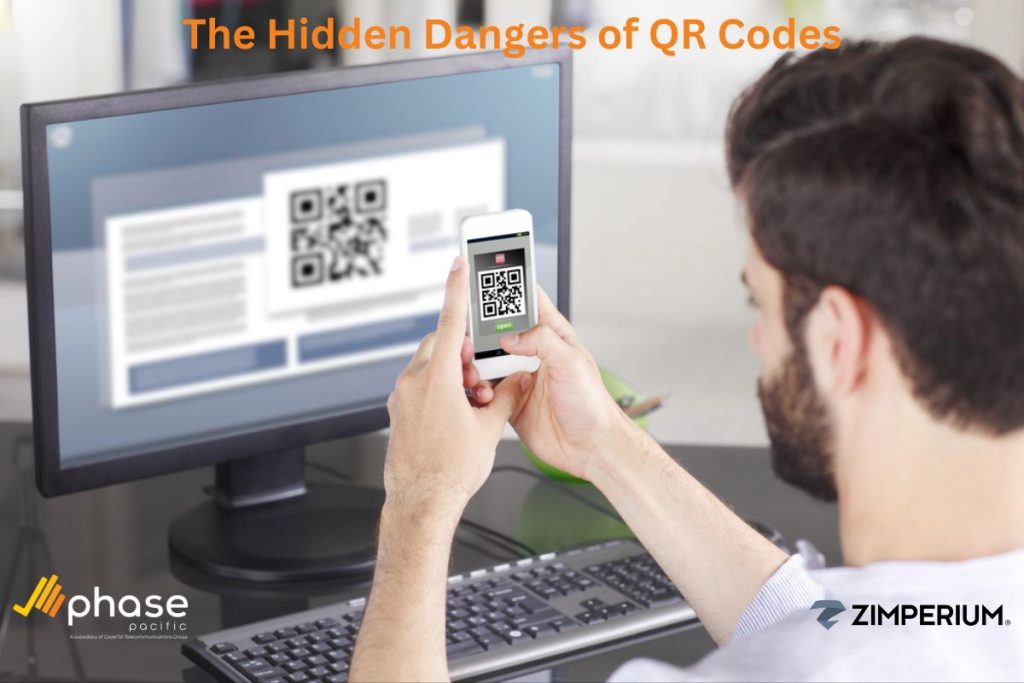
The Hidden Dangers of QR Codes
QR codes are everywhere these days, from restaurant menus to train tickets, offering a quick and easy way to access information. But did you know that these codes could also pose a risk to your privacy and security? While they offer convenience, QR codes can also be exploited by cybercriminals. This is especially concerning in our increasingly mobile-first world, where these codes are becoming commonplace.
A significant concern is the use of personal devices for work. With many companies adopting bring-your-own-device policies, the lines between personal and professional use become blurred, increasing security risks. Employees, often assuming QR codes are trustworthy, can unknowingly expose corporate credentials and assets to cybercriminals. The inconspicuous nature of QR codes makes it difficult to detect a potential threat. This is similar to phishing attacks, but mobile phones are even more susceptible.
One major threat is “quishing,” a type of phishing attack using QR codes. Attackers can embed malicious links in these codes, directing users to fake websites designed to steal login credentials, personal information, and financial details. These attacks often create a sense of urgency to manipulate users into providing confidential information. Moreover, QR codes can be used to spread malware, potentially granting criminals access to a user’s location and sensitive data.
The report, “The Hidden Dangers of QR Codes,” examines these threats in detail and offers solutions for enterprise security teams. It explores real-world examples of QR code attacks, such as the incident in San Antonio, Texas, where fake codes were placed on parking meters to deceive users. The report also highlights the importance of educating employees about the risks associated with QR codes and provides guidance on how to use them safely.
Download the full report to learn more about the hidden dangers of QR codes and how to protect yourself and your business.
Mobile Threat Defense Brochure | Mobile Security Solutions | Contact us
Sign up for our newsletter | Zimperium